
What Are Light Sticks?
Light sticks are single-use, chemical light sources that generate illumination through a reaction between compounds contained within the tube. When the outer casing is bent, an internal vial breaks, allowing the chemicals to mix and produce light. This process does not generate heat, sparks or electrical output, making light sticks suitable for use in hazardous or sensitive environments. Once activated, a light stick will provide a steady level of illumination for a defined duration, depending on the product type. They are typically waterproof, compact and easy to deploy, making them suitable for storage in kits, vehicles and equipment packs.
Why Light Sticks Are Used in Operations
Light sticks are valued for their simplicity and reliability. Unlike electronic lighting, they require no charging, maintenance or external components. This makes them particularly effective in environments where equipment may be exposed to water, impact or extreme conditions.Their long shelf life allows them to be stored for extended periods without degradation, ensuring they are ready for use when required. Activation is immediate and does not rely on switches or controls, which can be critical in time-sensitive situations.
Types of Light Sticks
Standard Light Sticks
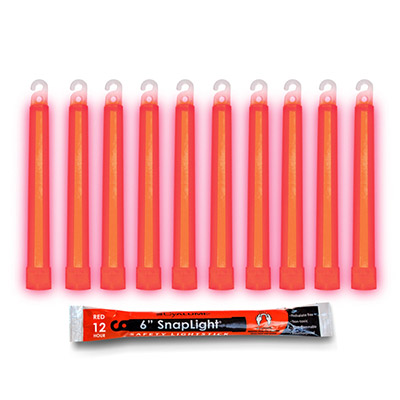
Standard light sticks are used for general visibility, marking and safety applications. They are commonly used across a range of industries and are available in multiple colours and durations.
Military Light Sticks (ChemLight)
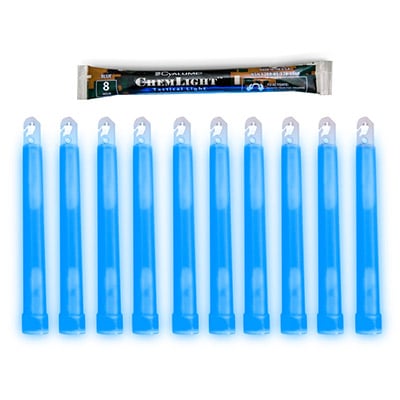
Military-grade light sticks are designed for operational use, offering consistent output, durability and reliability. These are often used in tactical environments where performance must remain predictable under varying conditions.
Infrared (IR) Light Sticks
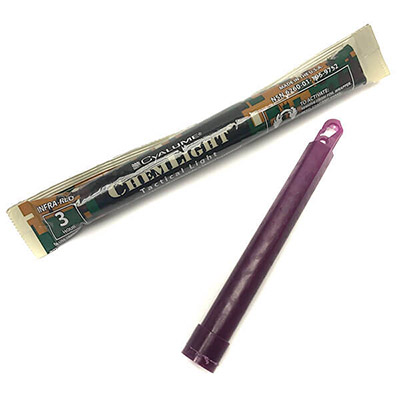
Infrared light sticks allow for covert marking and identification. They are commonly used in military and specialised law enforcement operations where visibility must be controlled.
High-Intensity and Long Duration Options
Light sticks are available in different output profiles, including high-intensity short-duration variants and lower-intensity long-duration options. This allows users to select products based on the operational requirement, whether for immediate visibility or extended use.
Operational Uses
Military and Tactical Operations
In military environments, light sticks are used for marking positions, identifying personnel, signalling and supporting movement in low-light conditions. Different colours may be used to distinguish teams, routes or objectives, while infrared variants support covert operations.
Emergency Services and Incident Response
Emergency services use light sticks for scene marking, hazard identification and traffic management. They provide immediate visibility in environments where lighting infrastructure is unavailable, damaged or insufficient.
Search and Rescue Operations
Light sticks are used in search and rescue scenarios to mark locations, guide personnel and identify access points. Their reliability in harsh conditions makes them suitable for deployment in remote or challenging environments.
Industrial and Hazardous Environments
In industrial settings, particularly in confined spaces or areas where flammable materials may be present, light sticks provide a safe lighting option. As they do not produce sparks or heat, they are suitable for use in environments where traditional lighting may pose a risk.
Key Features and Considerations
When selecting light sticks, several factors should be considered to ensure they meet operational requirements:- Duration: Light sticks are available in durations ranging from approximately 30 minutes to 12 hours or more.
- Brightness: Higher intensity options provide greater visibility over shorter periods, while longer duration options offer lower output over extended timeframes.
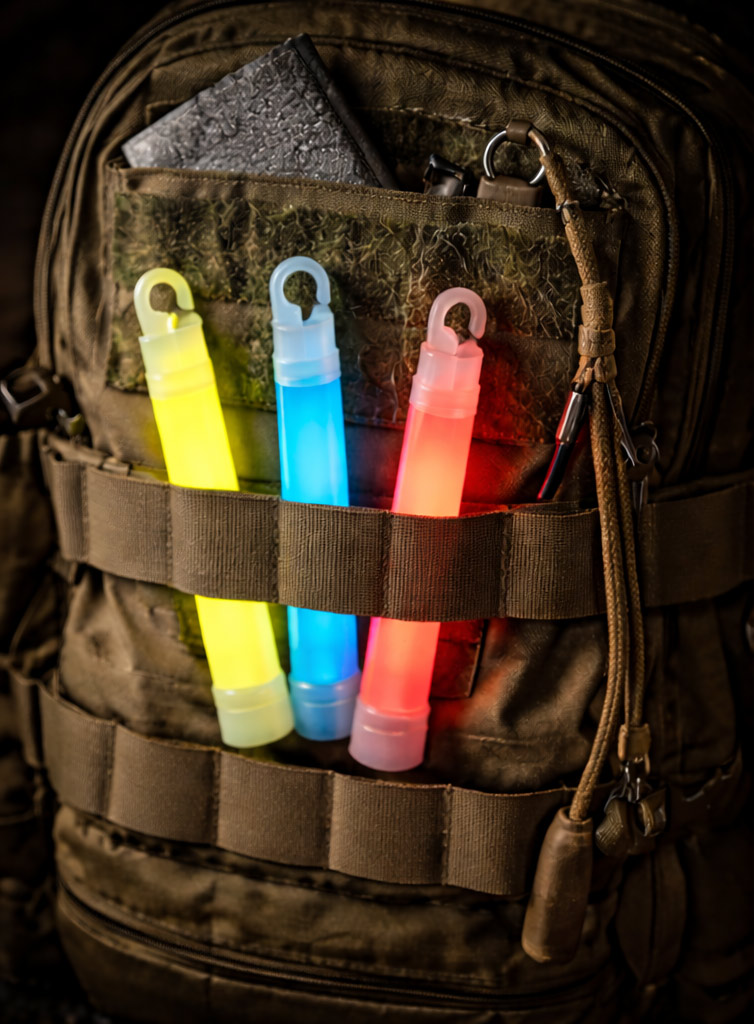
- Colour: Different colours are used for specific applications, including identification, signalling and marking.
- Shelf Life: Most light sticks have a long storage life, making them suitable for inclusion in emergency kits and stored equipment.
- Environmental Resistance: Typically waterproof and resistant to impact, allowing use in a range of conditions.