
Unmanned Systems
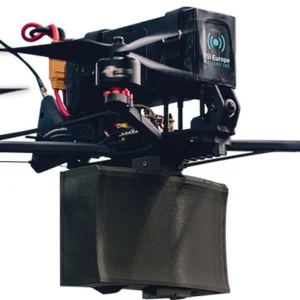
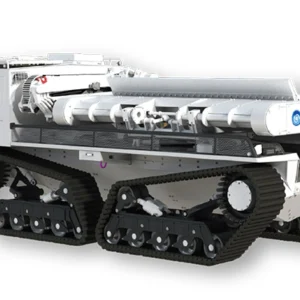
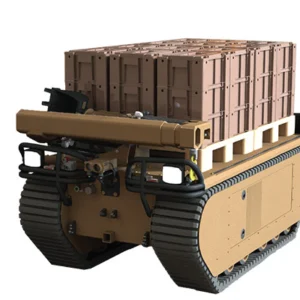
Unmanned Systems cover a range of platforms including Unmanned Aerial Systems (UAS), Unmanned Ground Vehicles (UGVs), and Unmanned Surface Vessels (USVs). These systems are built to take on tough jobs in challenging environments, including gathering intel, moving supplies, or going where people can’t. They’re reliable, flexible, and designed to reduce risk while keeping operations moving across land, sea, and air.


Frequently Asked Questions
What are Unmanned Systems used for?
Unmanned Systems, including Unmanned Aerial Systems (UAS), Unmanned Ground Vehicles (UGVs), and Unmanned Surface Vessels (USVs), are used for surveillance, reconnaissance, logistics, target acquisition, and hazardous environment operations across land, air, and maritime domains.
What’s the difference between UAS, UGVs, and USVs?
UAS (Unmanned Aerial Systems) operate in the air and are commonly used for aerial surveillance and mapping. UGVs (Unmanned Ground Vehicles) operate on land and are ideal for tasks like route clearance or EOD support. USVs (Unmanned Surface Vessels) operate on water and are often used for port security, maritime surveillance, and data collection.
Why are Unmanned Systems important in Defence and security operations?
Unmanned Systems reduce risk to personnel, provide real-time situational awareness, and improve decision-making in complex or high-threat environments. They’re critical for modern Defence, border protection, and emergency response operations.
Can Unmanned Systems be customised for different missions?
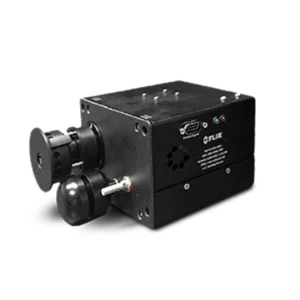
Yes, many Unmanned Systems can be tailored with different sensors, payloads, and software integrations to suit specific mission requirements, including ISR (intelligence, surveillance, reconnaissance), CBRN detection, or autonomous patrols.