
Unmanned Ground Vehicles
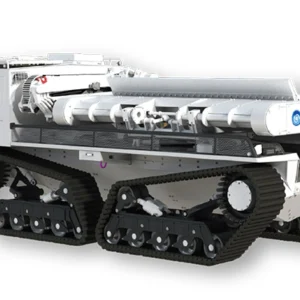
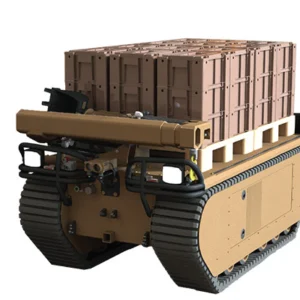
Unmanned Ground Vehicles (UGVs) are mission-critical robotic platforms that enhance safety and efficiency in complex or high-threat environments. Designed for remote or autonomous operation, UGVs handle tasks such as reconnaissance, route clearance, surveillance, perimeter patrol, and EOD, minimising human exposure to danger. Modern systems feature ruggedised chassis, modular payload bays, advanced camera systems, and intuitive operator controls, supporting rapid deployment and real-time decision-making. Drawing on next-generation systems like those used in tactical ISR and counter-IED roles, UGVs serve military, law enforcement, and security teams with dependable off-road performance and scalable mission profiles.
Frequently Asked Questions
What are unmanned ground vehicles used for in military and security operations?
UGVs perform high-risk tasks such as surveillance, explosive ordnance disposal (EOD), perimeter security, and route clearance, allowing personnel to operate safely from a distance.
Can UGVs operate in rough or off-road environments?
Yes. Modern UGVs are built with rugged suspension systems, all-terrain mobility, and weather-resistant enclosures to navigate mud, sand, rubble, and urban obstacles.
How are UGVs controlled or operated?
UGVs can be remotely controlled or operate semi-autonomously using onboard navigation systems, GPS, and real-time video feeds, often controlled via secure tablets or ground stations.
Who typically deploys unmanned ground vehicles?
UGVs are used by defence, EOD technicians, border patrol units, and special response teams to enhance safety and extend operational reach in hazardous or inaccessible zones.