
Virtual Reality Parachute Training System
VR Parachute Simulator
VR Parachute Simulator
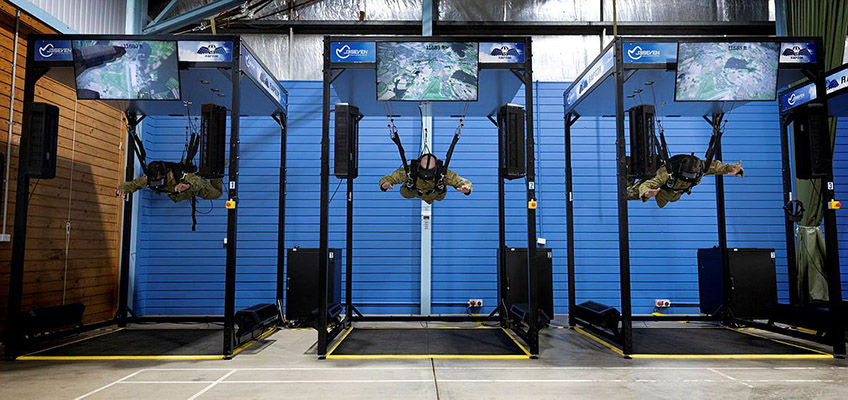
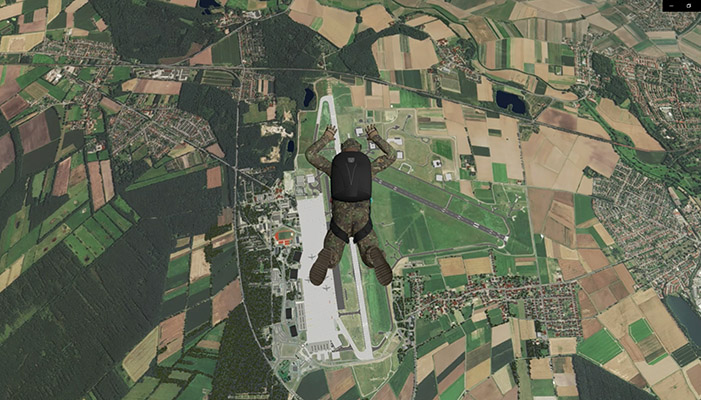
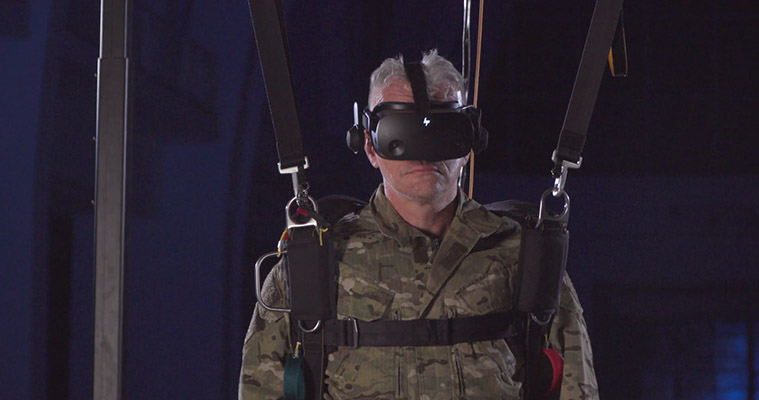
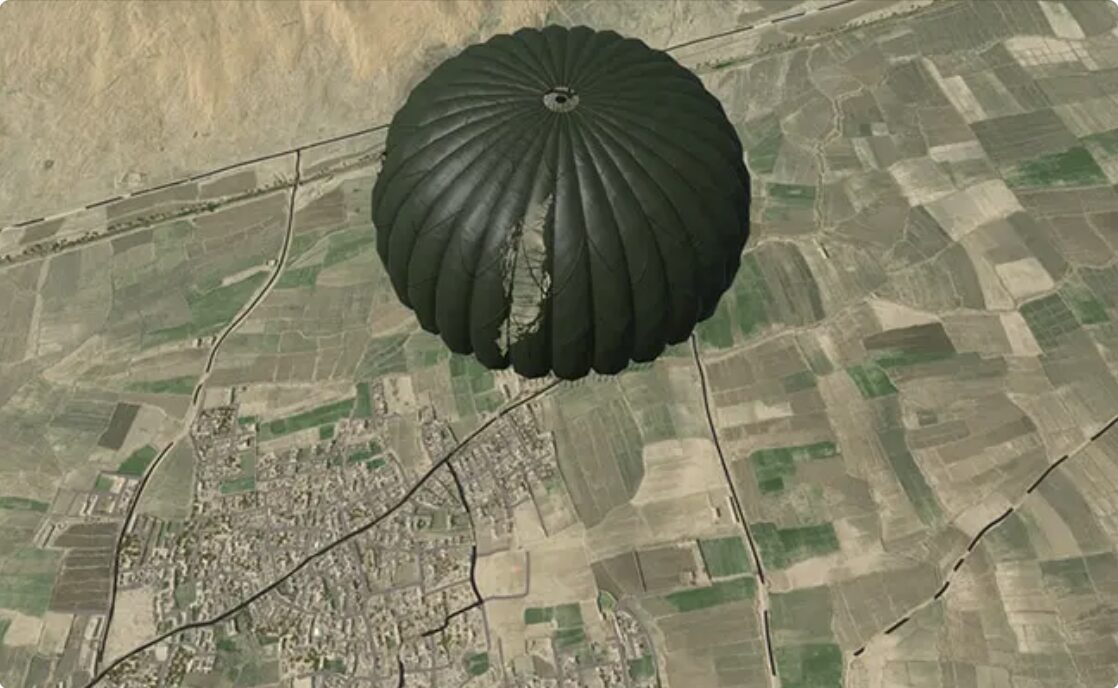
RAPTOR is a virtual‑reality parachute training system with active force‑feedback, wind simulation and high‑resolution 3D terrain, used to rehearse static‑line and Military Freefall (HALO/HAHO) profiles — including oxygen jump modes. It’s in service at the Australian Defence Force Parachuting School and has demonstrated time and cost efficiencies while improving operator performance.
Why teams choose RAPTOR
- Operationally relevant profiles: realistic static‑line and free‑fall training covering HALO/HAHO with oxygen modes and force‑feedback.
- Proven in service: fielded at the Australian Defence Force Parachuting School; delivers time/cost efficiencies and measurable training enhancement.
- Immersive realism: physical stimuli (force‑feedback, wind) plus visual stimuli from a 3D terrain database and image generator for weather/daylight decision‑making.
- Instructor control + debrief: mission planning, scenario authoring, integrated recording and structured debrief tools.
- Networked training: connect RAPTOR stations, add virtual jumpers, and enable trainee/instructor comms for team scenarios.
- Customisable to your unit: supports customer harnesses/chutes, customer‑specific mission areas/drop zones, and multiple aircraft exit sequences.
- Australian Industry Content (AIC): local support, maintenance and engineering options from Australian, veteran‑owned partners.
What’s in the system
- Adjustable metal frame (3.1–3.5 m height), with integrated rack for computers.
- Force‑feedback system for turbulences, cutaway → canopy transition, collisions, emergency procedures and malfunctions.
- Wind modules (vertical & horizontal positions) and head‑motion + hand‑tracking sensors (calibration‑free setup).
- VR goggles (supports up to 8K, wide FOV) and 43‑inch (~109 cm) monitors on the frame.
- Harness with integrated ripcord sensor set (open chute, cutaway, reserve, RSL), steering via lines and risers, skull‑crusher helmet with headset/mic.
- Instructor Operating Station (Windows + IOS‑GUI), scenario tools, diagnostics/remote maintenance, UPS and emergency‑stop.
Scale parachute training without compromising realism or safety. Enquire about RAPTOR VR Parachute Training.
Key specifications
Training modes & profiles
- Static‑line and Military Freefall with HALO/HAHO mission profiles; oxygen simulation supported.
- Simulates malfunctions and emergency handling; free‑fall “delta” tracking for realistic forward speed.
Environment & effects
- 3D terrain database with regional sets (e.g., South‑East Asia, desert, mountain, coastal, urban, airfield), typically 50 × 50 km or 100 × 100 km with 3–5 km high‑res landing areas.
- Weather: snow, dust, fog, rain/visibility, storms, multi‑layer winds (intensity/direction), time‑of‑day/year.
- Visual/acoustic cues: NVG/IR modes, free‑fall wind, canopy noise, water/ground landings, collisions, audible altimeter, frozen goggles effect.
Hardware highlights
- Frame 3.1–3.5 m adjustable height; 4 wind modules; force‑feedback actuators.
- HMD (closed/open), VR goggles up to 8K, 43‑inch (~109 cm) curved/LED monitors, high‑performance graphics.
- Head motion + hand‑tracking; comms for trainees/instructor; remote diagnostics switch; UPS and E‑stop.
Software & instructor tools
- Windows 10, IOS‑GUI; mission planning, scenario generation, user‑defined models; recording & debrief with graphs and 3D playback.
- Optional unit‑conversion licences (m/s↔knots, metres↔feet), Pro‑Dytter/Cypres, GPS & altimeter functions, diagnostics with service timer.
Parachutes & equipment fidelity
Library of ~20 ram‑air and 6 round parachute types; customer‑specific canopies/harnesses on request; dynamic canopy parameters modelled on real properties.
Networking & AIC
Network multiple RAPTOR stations, add virtual jumpers for group jumps; Australian partners provide tailored support/maintenance and custom DZ engineering.
Frequently asked questions
What mission profiles can RAPTOR simulate?
Static‑line and Military Freefall (MFF) including HALO/HAHO, with oxygen jump modes and force‑feedback.
How realistic is the environment?
The system combines physical stimuli (force‑feedback, wind) with high‑resolution graphics from a 3D terrain database to replicate weather, time of day and DZ detail.
Can instructors build scenarios and debrief?
Yes — instructors have an Operating Station for mission planning and scenario generation, with recording and debrief modules for single or group jumps.
Does it support team training?
RAPTOR supports networking between simulators, virtual jumpers, and built‑in communications for trainees and instructors.
How big is the rig and how fast is setup?
The frame height is adjustable from 3.1 to 3.5 m and the hand‑tracking setup is calibration‑free, enabling rapid trainee throughput.
What parachute equipment can it emulate?
A library of ~20 ram‑air and 6 round canopies is included, with customer‑specific harness/chute types available on request.