
Isolation Pod
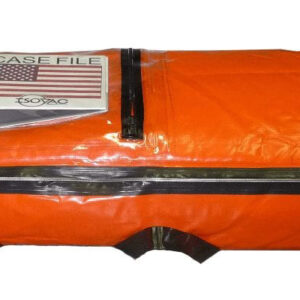
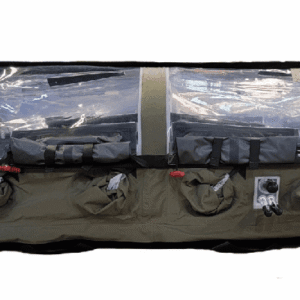
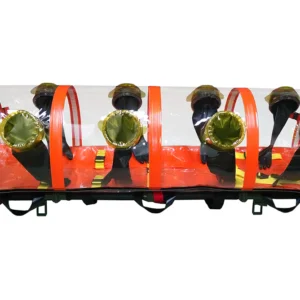
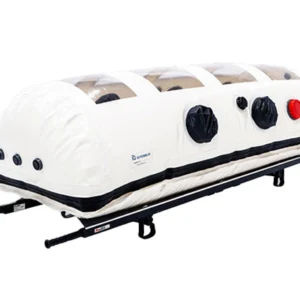
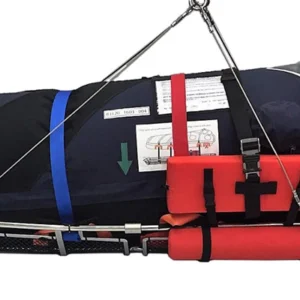
Isolation pods are sealed, portable containment systems used to safely transport individuals exposed to or infected with chemical, biological, or radiological agents. These negative pressure enclosures help prevent contamination spread during casualty extraction or medical evacuation, maintaining bio-containment while allowing for patient monitoring and medical intervention. Designed for Defence, emergency services, and public health response teams, isolation pods support infection control and CBRN hazard management in field, transport, and clinical settings.
Filters

Frequently Asked Questions
What is an isolation pod used for in CBRN response?
An isolation pod enables safe transport of contaminated or symptomatic individuals, preventing cross-contamination during evacuation or medical treatment in hazardous environments.
How do isolation pods maintain containment?
Most pods operate under negative pressure with HEPA or CBRN filtration, using air-sealed chambers and glove ports to protect both patient and response personnel from airborne or contact hazards.
Can isolation pods be used during air or ground medical evacuation?
Yes. Many isolation pods are designed to integrate with stretchers and support systems for use in helicopters, ambulances, and fixed-wing aircraft, ensuring continuous containment during transit.
What features should be considered when selecting an isolation pod?
Key considerations include negative pressure capability, compatibility with transport stretchers, integrated air filtration (HEPA or CBRN-rated), ease of decontamination, visibility panels for patient monitoring, and availability of medical access ports.