
Chemical
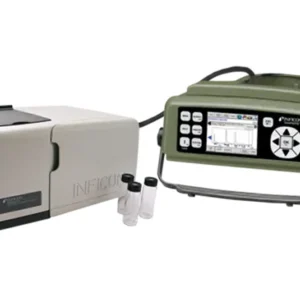
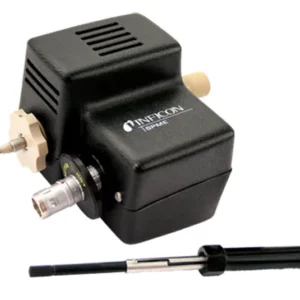
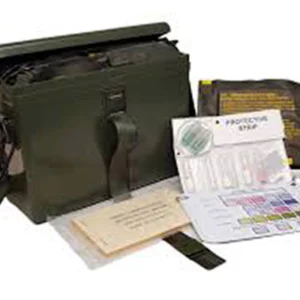
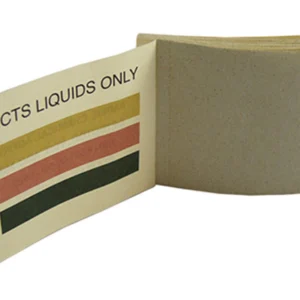
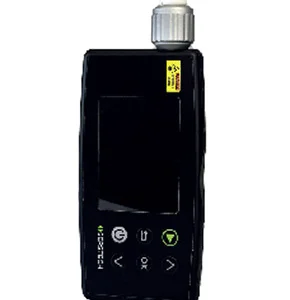
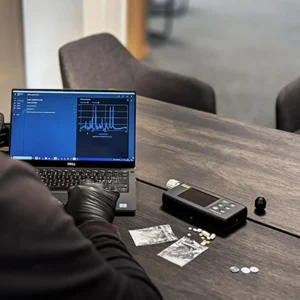
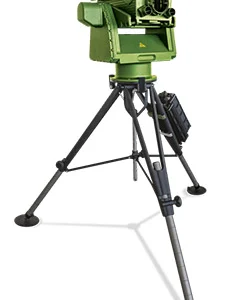
Chemical detection is critical to identifying and responding to hazardous substances in CBRN environments. Our solutions include point detectors for immediate personal alerts, area detectors for wide-coverage monitoring, mobile and fixed-site chemical detectors for on-the-move or static protection, and UAV/UGV-mounted systems for remote or high-risk zones. Laboratory-grade detectors enable high-precision analysis, while decision-support tools provide real-time threat interpretation. These technologies support Defence, emergency services, and security teams in recognising chemical threats quickly and accurately and enable fast containment, minimal exposure, and mission continuity.
Filters













Frequently Asked Questions
How are chemical threats detected in the field?
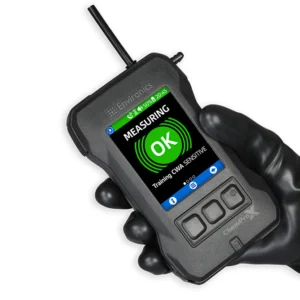
Chemical threats are detected using a combination of portable sensors, wearable detectors, and remote systems mounted on vehicles or drones. These tools help teams identify airborne toxins, industrial chemicals, or weaponised agents during missions.
What’s the difference between point, area, and mobile chemical detection?
Point detectors alert individual users to nearby threats, area detectors monitor large spaces for contamination, and mobile detectors are deployed on vehicles or carried to scan environments while on the move.
Are UAV and UGV detectors effective for remote chemical monitoring?
Yes. Mounting chemical sensors on unmanned aerial or ground systems allows responders to safely inspect contaminated zones without putting personnel at risk, ideal for reconnaissance and standoff operations.
Why is real-time decision support important in chemical incidents?
In fast-moving CBRN events, decision-support tools interpret detection data instantly, helping teams decide when to evacuate, isolate, or decontaminate, minimising risk and improving response time.